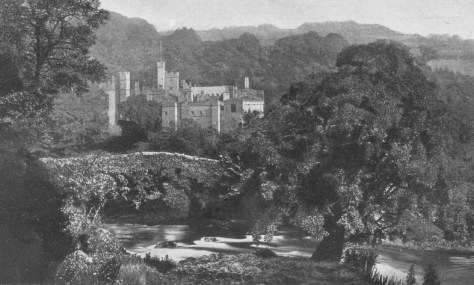
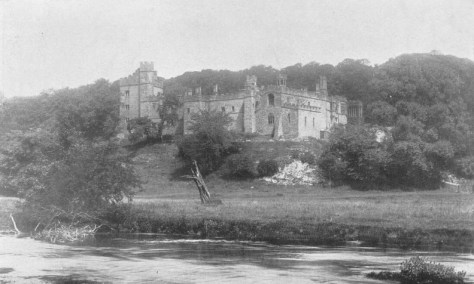
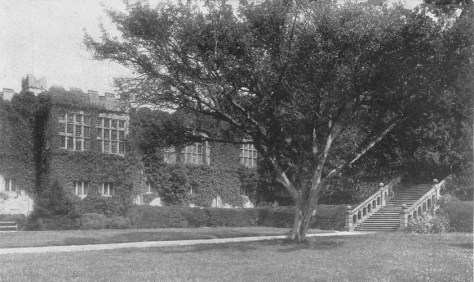
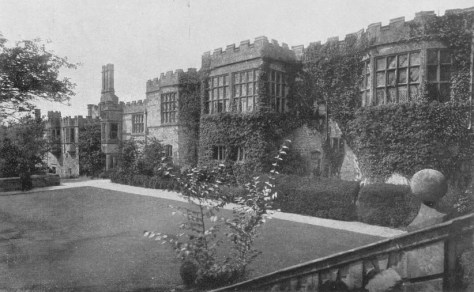
From the archives. January 1926. Haddon Hall had been unoccupied for nearly one hundred and fifty years. The new Duke of Rutland made it his duty to restore the old house and make it habitable again.
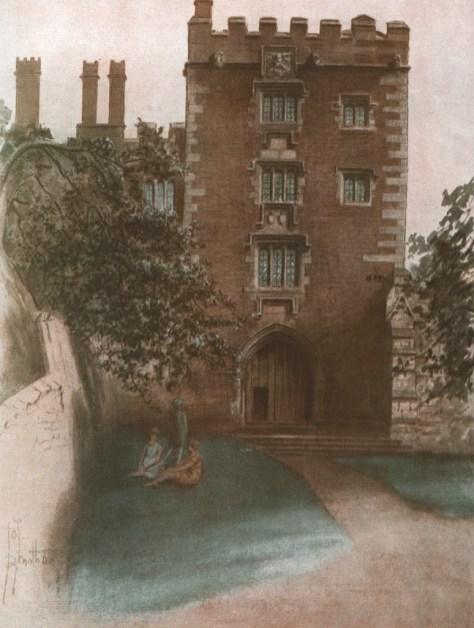
After being unused for a hundred and forty-seven years, the historical old mansion was being altered so as once more to become the habitable seat of the Rutland family. This drawing was by R. G. Mathew. Image: The British Newspaper Archive.
It was stated in the press that Haddon Hall, in Derbyshire, one of the most interesting and attractive manorial residences in England, was going to be closed to the public, who had long enjoyed the privilege of visiting it.
Its owner, the Duke of Rutland, whose ancestor, the third Duke, had been its last tenant about a hundred and fifty years before, was preparing it for occupation.
“All is silent, within and around; The ghostly house and the ghostly trees.”
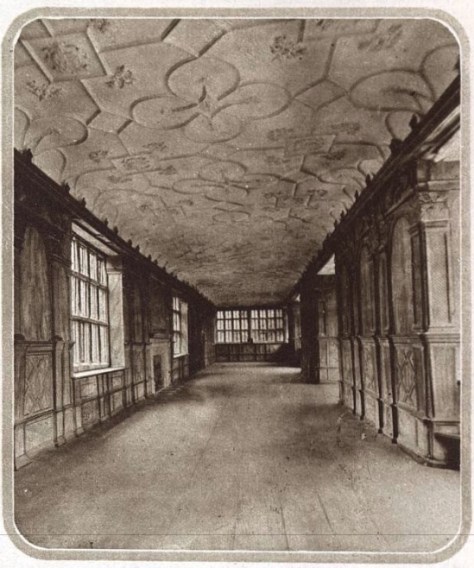
It was from Haddon Hall that the famous elopement of Dorothy Vernon and John Manners, the second son of the first Earl of Rutland, took place. To the betrothal of the pair Dorothy’s father, Sir George Vernon, the owner of the Hall and of many other manors and lordships, was opposed; but one night while dancing by a large party of guests was proceeding in the ballroom, Dorothy slipped out to meet her lover, with whom she rode off to Leicester, where they were married next day.
“Sleep in the heat, with never a sound of human voices, or freshening breeze.”
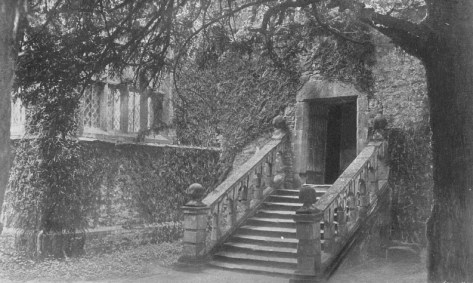
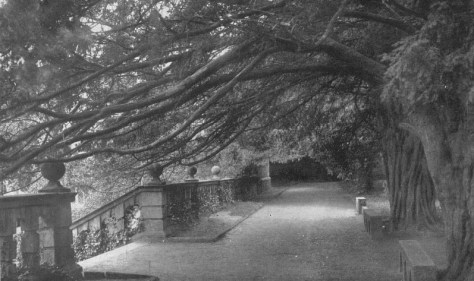
Dorothy was co-heiress of her father, and by the marriage Haddon Hall fell to the Manners family, of which her grandson, on succeeding as eighth Earl of Rutland, became the head. Dorothy’s name was preserved in Dorothy’s Garden, Dorothy’s Walk, Dorothy’s Door (through which she escaped on the night of the elopement), and Dorothy’s Steps (where she met her lover in readiness with horses for the flight).
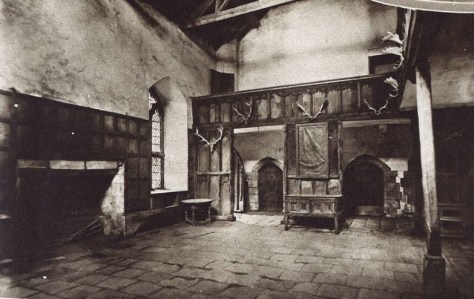
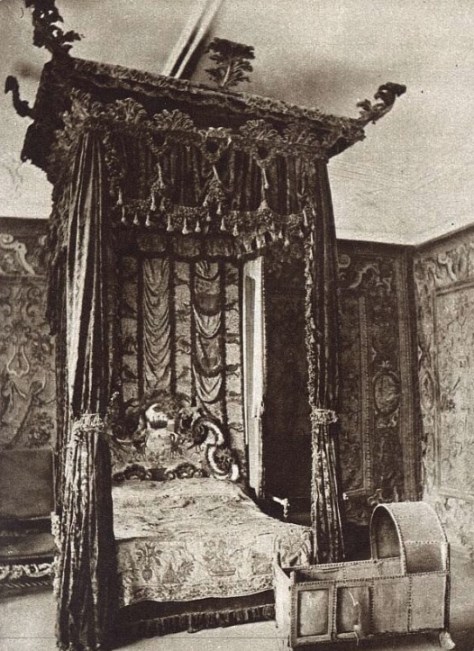
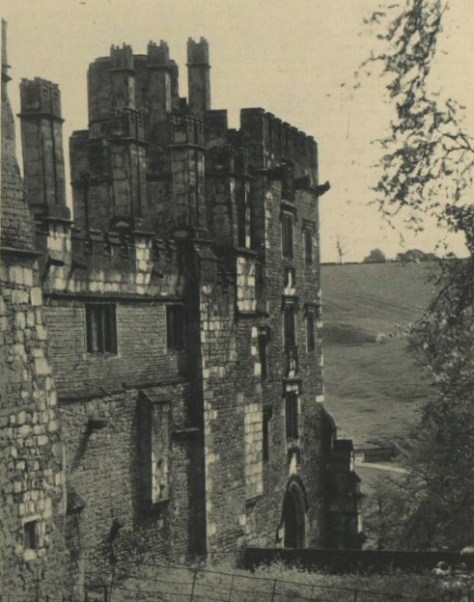
“It is a night with never a star, and the Hall with revelry throbs and gleams.”“Then grates a hinge, a door is ajar, and a shaft of light in the darkness streams.”“A fair, sweet face, a glimmering gem, and then two figures steal into light.”“A flash and darkness has followed them, so sudden is Dorothy Vernon’s flight.”The Long Gallery or Ballroom. Image: The British Newspaper Archive.The Banqueting Hall, dating from the 14th century. Image: The British Newspaper Archive.Queen Elizabeth’s Bed. Image: The British Newspaper Archive.Dating partly from Norman times, when William the Conqueror gave the manor to his natural son, ‘Peveril of the Peak,” immortalised by Sir Walter Scott. Image: The British Newspaper Archive.
NOTE:
The restoration of Haddon Hall got underway during the early years of the twentieth century. The 9th Duke of Rutland and his team began to find small everyday objects, lost or thrown away, evocative of the lives of the past occupants. The Duke recognised the importance of these finds and established a museum at Haddon Hall in which to display them.
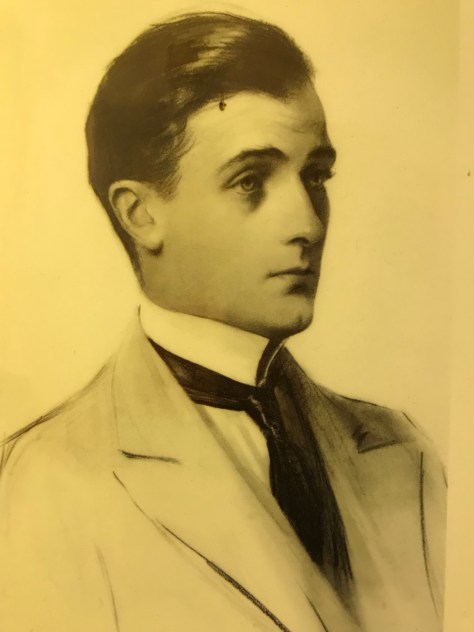
Captain John Henry Montagu Manners, 9th Duke of Rutland (21 August 1886 – 22 April 1940), styled as Marquess of Granby from 1906 to 1925, was an English peer and medieval art expert.
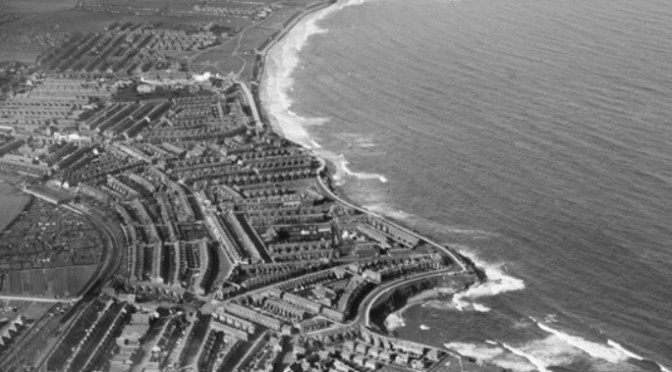
Where once a mansion stood in open countryside. The railway and the growth of Whitley Bay as a seaside resort eventually sealed its fate.
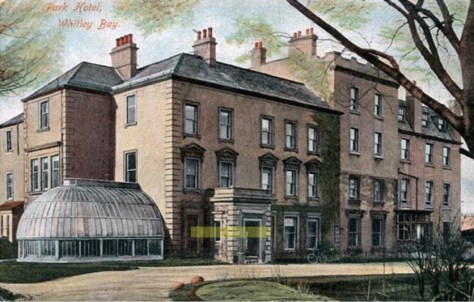
Lost and forgotten. Whitley Park Hall was a country house, later a hotel and council offices.
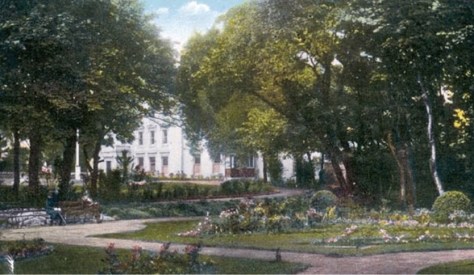
Deep beneath the recreational space called Whitley Park, one can hope that the foundations of long-lost Whitley Park Hall might remain. It is hard to imagine that this part of Whitley Bay once looked remarkably different than it does today.
So quiet and peaceful was the scene in the 1860s, that a Newcastle minister, who used to rent the village blacksmith’s cottage in the parish of Cullercoats each summer, was able to practice his sermons on the beach with no-one to disturb him. Whitley-by-the-Sea, or the ‘Dream Village’ as it was frequently called was a long way off becoming Whitley Bay, the popular seaside resort.
Picturesque the village may have been, but apart from its houses of quality which included Whitley Hall, Whitley Park Hall, Whitley House, Marden House and Belvedere House, it boasted only a few farms and terraced cottages with a liberal supply of public houses.
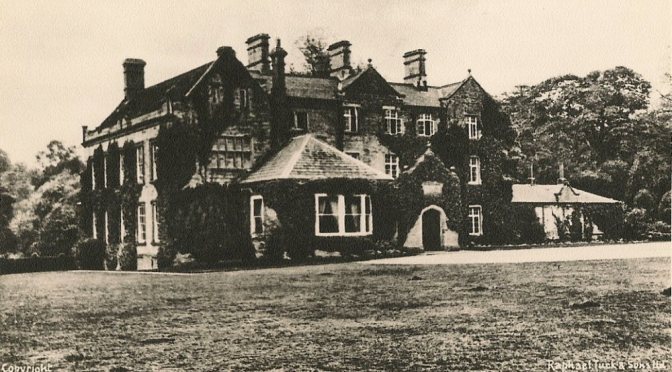
Pictures of Whitley Park Hall are extremely rare. This one shows it in its days as a hotel.
Times changed. The introduction of a passenger train between Monkseaton station and Newcastle put the wheels of progress in motion. The picnicking parties, who had previously travelled from Newcastle by wagonette, began to arrive more frequently and in greater numbers to the little station, where colourful rambling roses grew.
The early history of Whitley had been associated with the Hudson family. Henry Hudson, of Newburn, was one of Cromwell’s Ironsides, the lessee of mills at Billy Mill and Tynemouth and of quarries at Whitley and Monkseaton. He was succeeded by his son, Henry Hudson, the second. Henry Hudson, the third, who married his cousin, Elizabeth Ellison, in 1776, sold 11 acres of land to Edward Hall of Backworth, for the purpose of erecting a brewery here.
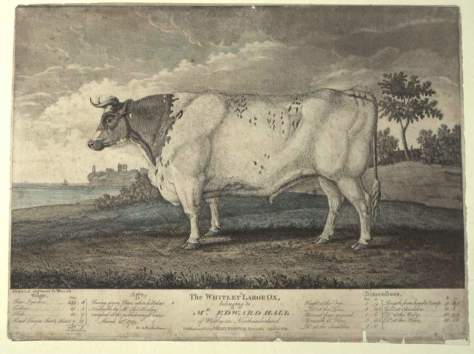
Whitley Park Hall, built in white stucco, was constructed by Edward Hall about 1789. He was also a cattle breeder and subsequently added to his estate by the purchase of land from his neighbours. He was famous for being the breeder of ‘The Fat Ox,’ immortalised in one of Thomas Bewick’s copper-plate engravings. The ox chewed the cud in Whitley during the 1780’s, weighing 216 stones, 8 lbs before its slaughter by Newcastle butcher Thomas Horsley in 1789.
‘The Fat Ox’, ‘The Whitley Large Ox’ or ‘The Whitley Great Ox’ – was the property of one Edward Hall of Whitley Park Hall,and was grazed up to its immense proportions upon fields now occupied by The Fat Ox pub in Whitley Bay. Image: North East History Tour.
On Edward Hall’s death in 1792, it was bought by John Haigh, a ‘hostman’ who became bankrupt in 1797 and moved to America. His assignees sold it in 1800 to Thomas Wright of North Shields, who occupied it until his death in 1840. In 1844, it was bought by John Hodgson-Hinde, and sold in 1855 to Charles Mark Palmer, a shipbuilder then at the height of his fortune, and in 1869 to Thomas William Bulman, who later extended it, diverted the road around his property, and planted a tree belt that still exists today.
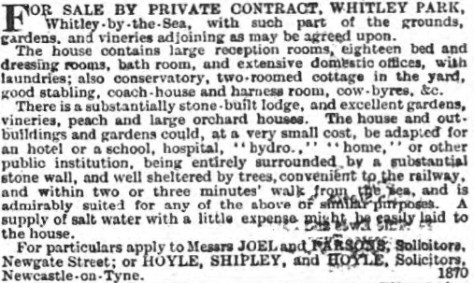
From The Newcastle Journal. 6 May, 1893. Advertised by Thomas William Bulman’s widow. Image: The British Newspaper Archive.
Thomas William Bulman died in 1879, and his widow sold Whitley Park Hall in 1893 to Theodore Hoyle, Joseph George Joel, Joseph Aynsley Davidson Shipley and Richard John Leeson, who wished to prevent it from disappearing under hundreds of small houses and hoped that a hydropathic establishment could be opened. Plans for the health facility fell through, but a provisional licence for a hotel and restaurant was granted to the Whitley Park Hotel Company in 1893. It opened in the spring of 1896 under the management of Miss Carrie Sokel. In 1910, the company sold parts of the grounds which were turned into the Spanish City Pleasure Grounds (subject of the Dire Straits song Tunnel of Love, along with Whitley Bay and the nearby town Cullercoats), while other parcels of land were sold off for building purposes.
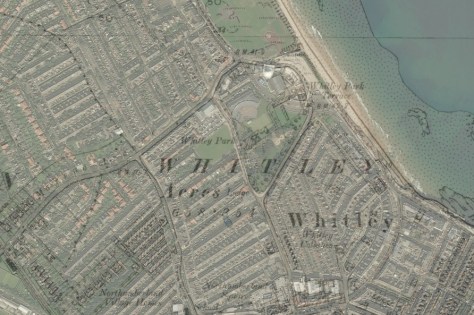
Many locals will not know the original location of Whitley Park Hall. An old map, with the house at its centre, is over-layered with a modern-day satellite view. Image: National Library of Scotland.
The house was used for billeting during the Great War but was left with only twelve of its sixty apartments in good condition. The hotel was sold to Whitley Pleasure Gardens Company in 1920, with plans to use its grounds to erect elaborate amusements and shows, as well as a scenic railway, extending from Spanish City. The development faltered, but the hotel was sold to Whitley Bay and Monkseaton Urban District Council in 1924, which used the building as offices. In 1939, it spent £30,000 on new offices in Whitley Park, finding the old house “totally unsafe,” and to be “suffering from galloping consumption.”
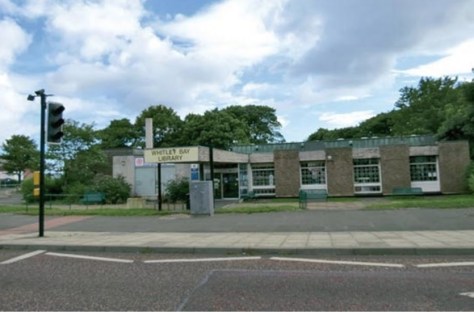
Whitley Park Hall was demolished in 1939, and a library was built on the site in 1966, since also demolished.
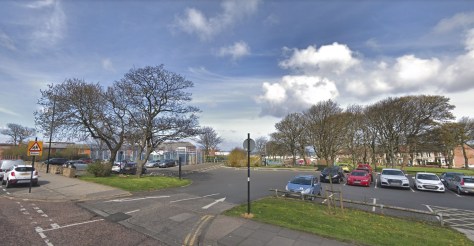
Whitley Park Hall was demolished in 1939. A library was eventually built on part of its footprint in 1966, but has since also been demolished.No trace of evidence. Whitley Park Hall once stood here in open countryside. Image: Google Maps.
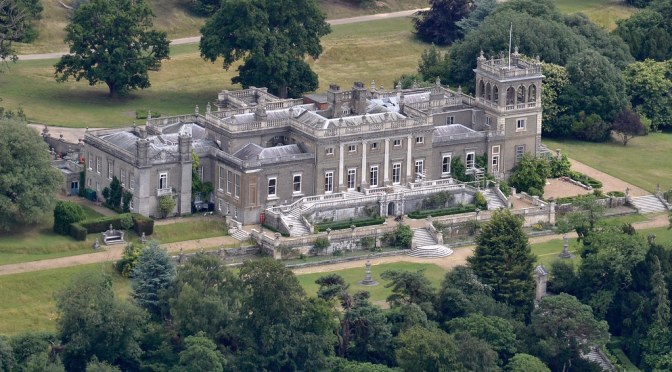
One of Suffolk’s finest country houses is facing an uncertain future. It shows no signs of reopening as a hotel, and appears to be falling into disrepair.
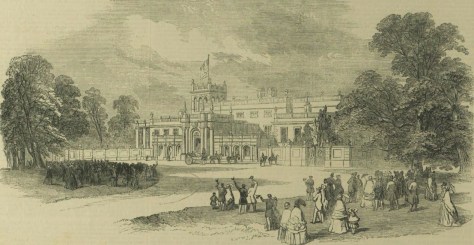
Shrubland Park, near Ipswich, Suffolk. This sketch appeared in The Illustrated London News in July 1851. It showed the arrival of Prince Albert after a meeting of the British Association in Ipswich. Image: The British Newspaper Archive.
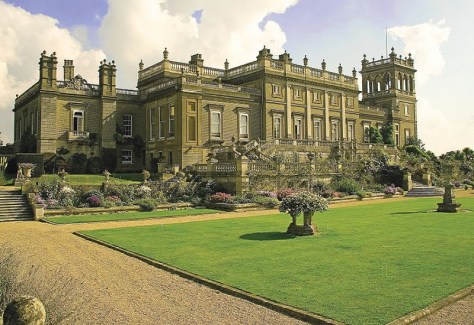
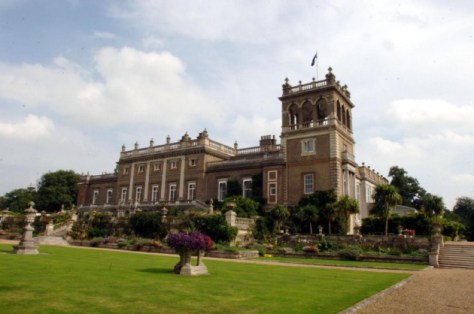
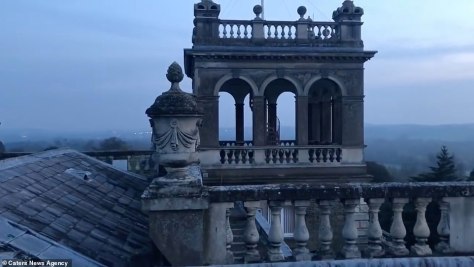
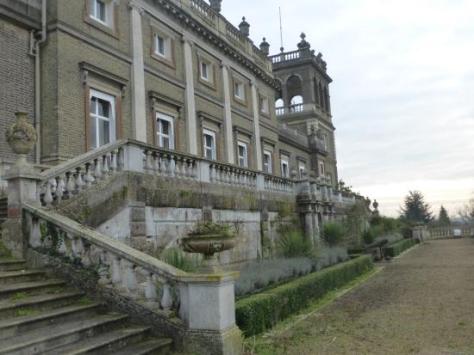
In his book ‘In Search of the Perfect House,’ architectural historian Marcus Binney suggests that “in almost every other European country, Shrubland Hall would be called a palace. A grand Italianate composition with belvedere tower, breathtaking terraced gardens, Swiss cottage and five drives.”
Some of our finest architects were associated with Shrubland Hall (or Shrubland Park), making it hard to accept that the mansion has stood empty for nearly four years. In 2015, an ill-fated attempt to use the country house as a luxury hotel ended in failure. Since then, Shrubland has been left to ruminate its past glories.
The Shrubland Hall estate was put on the market in 2006 with a price tag of £23 million. It was eventually split into 42 lots. The house sold for £6 million in 2009. Image: Boutique Hotelier.
Shrubland Hall was built in the 1770s by James Paine (1717-89) for the Reverend John Bacon. At the same time, Paine was commissioned to remodel Moor Park in Surrey for John Bacon’s younger brother, Basil, who had inherited the estate in 1770. The third brother, the Reverend Nicholas Bacon, almost certainly used the architect as well, rebuilding the vicarage at Coddenham (now Coddenham House) in 1771.
Shrubland Hall. Lord de Saumarez decided to sell his family estate in Coddenham, near Ipswich, in 2006 to help pay off death duties. The decision to sell followed the death of Lord de Saumarez’s father in 1991 and his mother Lady de Saumarez in 2004. Image: Steve Parsons-Press Association.
John Bacon died in 1788, Shrubland passing to his brother, Nicholas, who immediately sold the estate to Sir William Fowle Middleton (1748-1829), 1st Baronet, of Crowfield. Born in Charleston, South Carolina, where his family owned Middleton Place, he arrived in Suffolk after inheriting Crowfield Hall near Stowmarket. His brother, Henry, gave him £30,000 to spend on improvements at Shrubland, and he employed Humphry Repton to expand the park from 1789 onwards, and replaced Paine wings in about 1808.
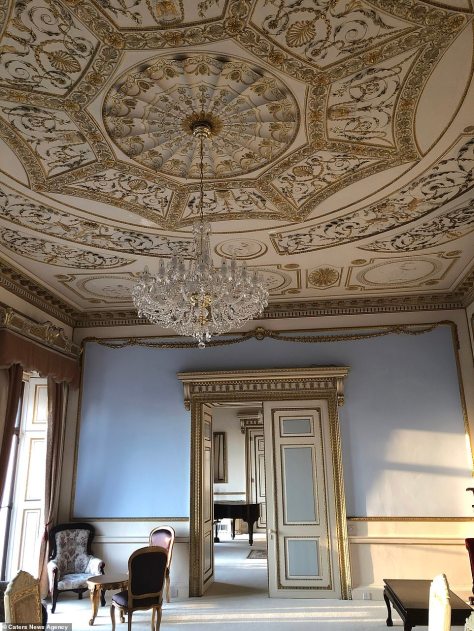
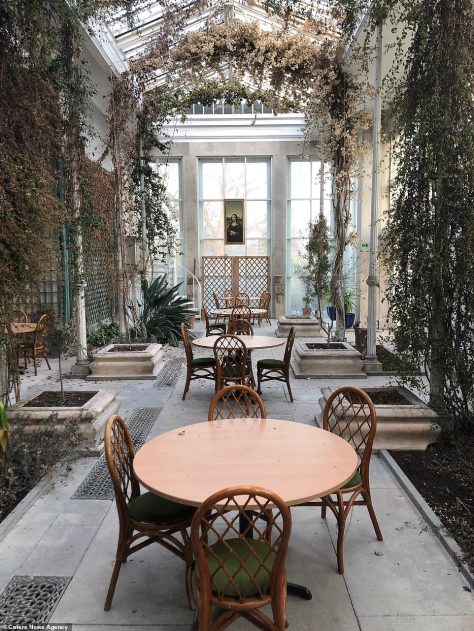
Abandoned. Shrubland Hall has been empty since it closed as a hotel in 2015. Image: Caters News Agency.
Shrubland Hall was inherited by his only son, Sir William Fowle Middleton (1784-1860), 2nd Baronet, who brought in architect John Peter Gandy Deering in 1831-38, and later Alexander Roos between 1838-45, who enlarged and redecorated the house. About 1850, he turned to Sir Charles Barry who turned the property into an Italian palazzo.
Shrubland Park was designed by James Paine in the 1770s and passed by marriage through the families of Oake, Bothe, Lytton, Little, Bacon, until it was bought in the late 18th century by William Middleton of Crowfield who was created Sir William Fowle Middleton Bart. Image: TripAdvisor.
After his death, Sir William’s cousin, Sir George Nathaniel Broke Middleton, took over. In 1882, it passed to his niece, Jane Anne Broke, and her husband, James St. Vincent (1843-1937), 4th Baron de Saumarez, in the Island of Guernsey, and leased to tenants, including Lord Magheramorne.
During World War One it was one of the first country mansions to be turned into a Red Cross Convalescent Hospital.
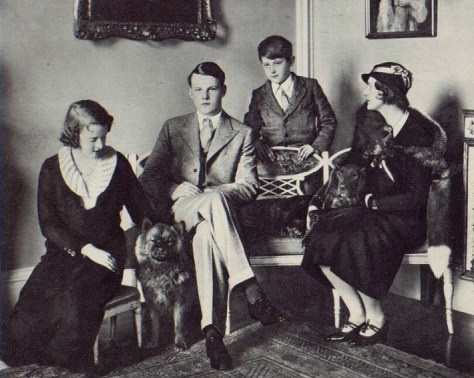
June 1934. The Hon. Mrs Saumarez with her elder daughter, Miss Veronica Saumarez, and her sons, Philip and James at Shrubland Park. Image: The British Newspaper Archive.Abandoned. Shrubland Hall has several portraits of the Royal Family, including the Queen, Prince Charles, Prince William and the Duchess of Cambridge on their wedding day. Ironically, it was the childhood haunt of Roddy Llewellyn, who had an eight-year relationship with Princess Margaret. Image: Caters News Agency.
In 1965, James Victor Broke Saumarez (1924-1991), 6th Baron, opened the house as a health clinic, leaving the family furniture and valuable collections in place. It was the brainchild of Lady de Saumarez, a former Royal Ballet dancer who married into the family and supervised its running. With an emphasis on detox and weight loss, the hall remained unchanged for forty years, and attracted high-profile guests, including actress Joan Collins. When the clinic closed in 2006, the contents were sold, and the house eventually put on the market by Eric Douglas Saumarez (born 1956), 7th Baron de Saumarez, to cover an inheritance tax bill.
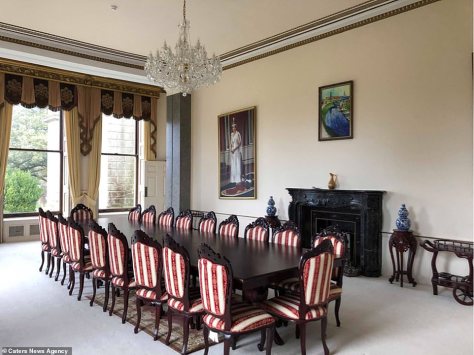
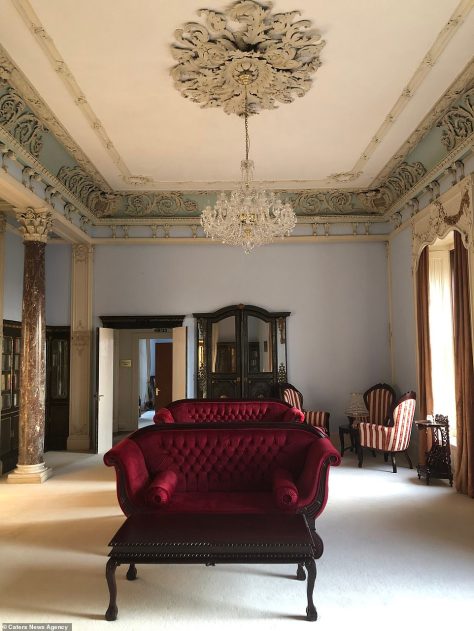
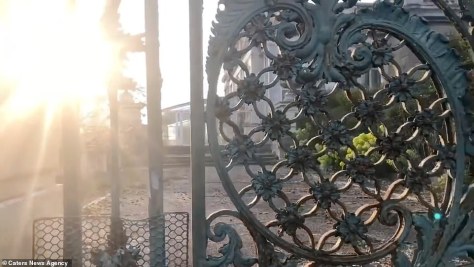
Abandoned. Shrubland Hall still contains furniture left over from its days as a hotel. Image: Caters News Agency.Abandoned. Overgrown plants are slowly taking over parts of the mansion. Image: Caters News Agency.Abandoned. The furnished property is regally decorated with red sofas, golden gilded doors and chandeliers. Image: Caters News Agency.
In 2009, the Shrubland estate was sold in 42 lots, the house being bought for £6 million by Dr Muhammad Farmer, Chief Executive and founder of the British Institute of Technology and E-Commerce, which used it as residential accommodation.
Shrubland Hall was far too grand. Farmer’s decision to convert the mansion into an extravagant hotel in 2014 should have been a rewarding undertaking, taking “prestigious guests … on a journey back to the future,” but the Shrubland Royale Hotel suffered scathing reviews, quickly closing in 2015.
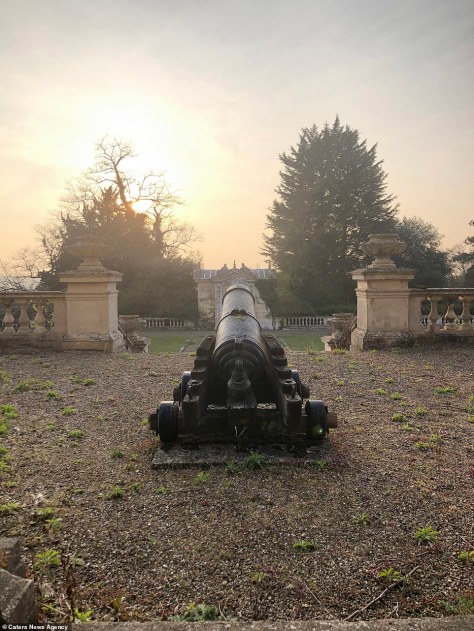
In the outside unkempt grounds of the property sits a cannon from Russian war. Image: Caters News Agency.
Mr Farmer claimed that a “celebrity guest” had booked the entire hotel until the following year. However, by September 2016, signs outside the hall had been removed, the gates were closed and booking attempts were declined. It went on the market for £6.5 million, but remains unsold despite recent claims from Mr Hubbard that the Hilton hotel franchise were interested in taking over the property. A claim later denied by the hotel operator.
The East Anglian Daily Times visited the Shrubland Park Walk – a public right of way that passes through the grounds – in 2017. “The hall appeared an unlikely retreat for any film or music star. The only sign of activity was an older man chopping wood with a chainsaw. Many of the outbuildings appeared in disrepair and the vast grounds left overgrown.”
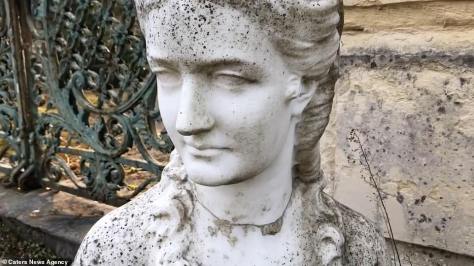
A statute outside of the palatial mansion is seen in poor condition after the property fell into disrepair. Image: Caters News Agency.Abandoned. Shrubland Hall awaits its fate. The mansion contains 31-bedrooms. Image: Caters News Agency.
Meanwhile, Shrubland Hall deteriorates and following complaints from the parish council, Historic England has visited the house to assess the condition of the gardens and the Grade I listed mansion. The park has been on its Heritage at Risk Register for several years.
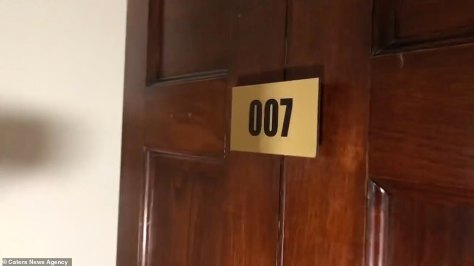
Shrubland Hall features an elegant room with a 007 plaque on the door. Shrubland Hall was used in the 1983 James Bond film ‘Never Say Never Again.’ Image: Caters News Agency.
An oasis in the Derbyshire countryside. The nineteenth and twentieth centuries had a big impact on the landscape, but it remained home to a composer and pianist.
Image: The British Newspaper Archive.Image: The British Newspaper Archive.
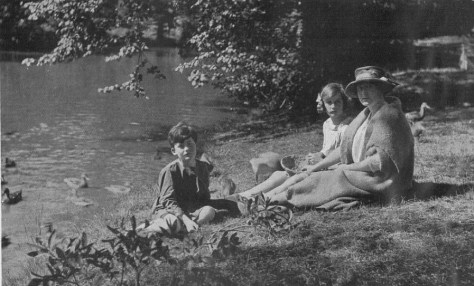
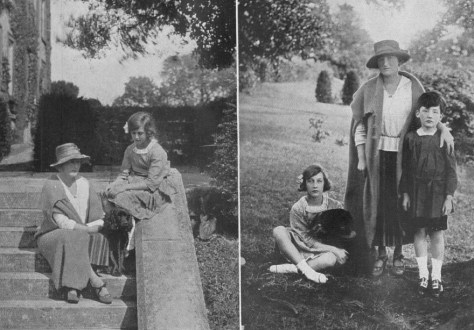
These photographs of Mrs Sacheverell Coke and her children date from 1921, and were taken by Miss Compton Collier at Brookhill Hall, Pinxton, in Derbyshire. Mrs Sacheverell Coke was the widow of Lieutenant Langton Sacheverell Coke (1878-1914) of the Irish Guards, struck in the head with a bullet at Klein Zillebeke, near Ypres, in the first few months of World War One . He was the eldest son of Colonel William Langton Coke and in 1908 married Miss Dorothy Maye Huntingford (1881-1957), daughter of Captain George Huntingford, Royal Navy, of Hampshire. At one time he had been sub-editor of the Black and White magazine, a British illustrated weekly that was incorporated into The Sphere in 1912.
His heir was the little boy, Roger, seen in these pictures, who was born in 1913, and was now lord of the manor of Pinxton and joint lord of the manor of South Normanton. The little girl’s name was Betty, four years older than her brother.
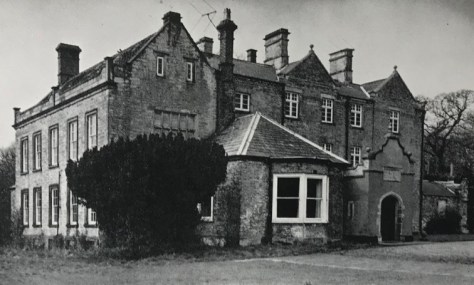
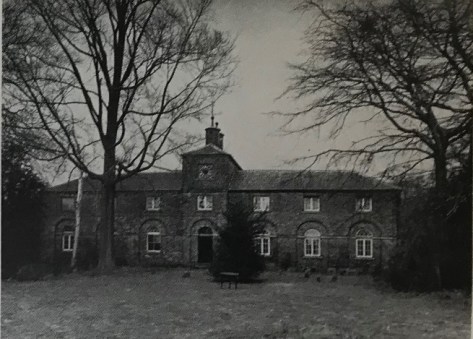
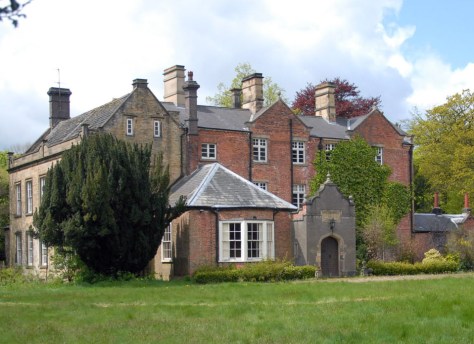
The entrance front of Brookhill Hall, Pinxton, in Derbyshire. Brookhill Hall. It dates from the early 17thcentury, and it has been concluded that the surrounding gardens and park were laid out following the inheritance of the estate by the Rev D’Ewes Coke in 1780. The style of the landscape is characteristic of designs by the 18th-century designer William Emes who worked on similar houses in the locality, although no direct evidence has yet been identified to confirm any association with Brookhill Hall. Image: Derbyshire Countryside.
There had been Cokes at Brookhill since the middle of the sixteenth century and the house was essentially Jacobean incorporating parts of an earlier building. Descended from Sir Edward Coke, the Attorney General for Elizabeth I, the family became important landowners, and since 1744 the Earl of Leicester title had been in the family. Until 1567, the house was known as Hill Brook House, and like many family seats, Brookhill had grown up over the centuries with each generation adding its mark.
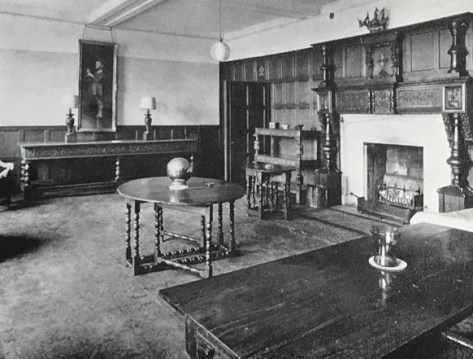
Brookhill Hall, Pinxton, Derbyshire. The Dining Room showing a painting of Roger Sacheverell Coke as a boy holding his father’s sword. Image: Derbyshire Countryside.
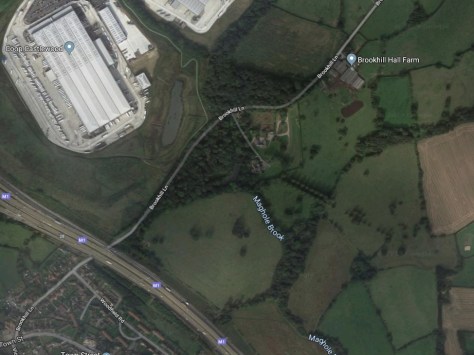
By the 1960s, Brookhill and its park was stranded in an industrial landscape bounded on one side by nineteenth century developments of Pinxton and the twentieth century M1 motorway, which cut through the park on the other.
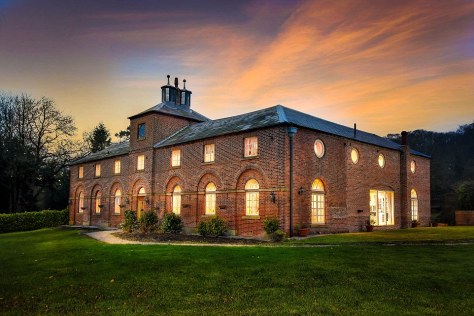
The eighteenth century stable block where Roger Sacheverell Coke, pianist and composer, had his music room. Image: Derbyshire Countryside.
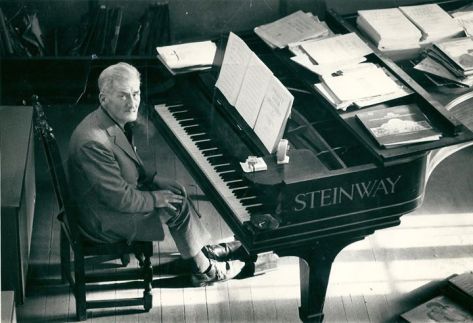
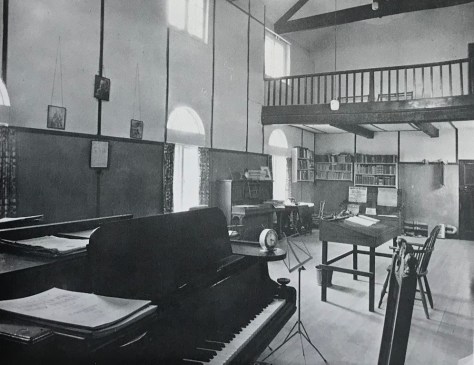
In 1972, Robert Innes-Smith wrote that the most important treasures of Brookhill had been dispersed, but it remained home to Roger Sacheverell Coke, now a distinguished composer and pianist, who did most of his work in his studio in the converted eighteenth-century stable block. For Roger’s 21st birthday, his mother had ordered the Coach House to be turned into an area where all his musical indulgences could be fulfilled.
Roger died in 1972, the house in perilous state, and his heir, Gilbert William Lloyd Darwin, sold the house, but not the estate, to the Cookson family who restored it.
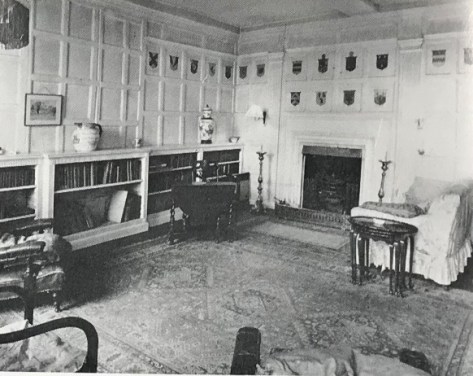
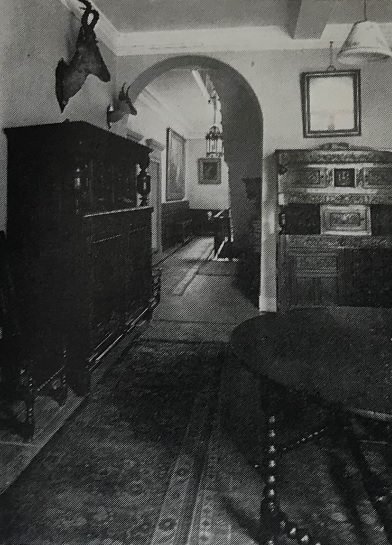
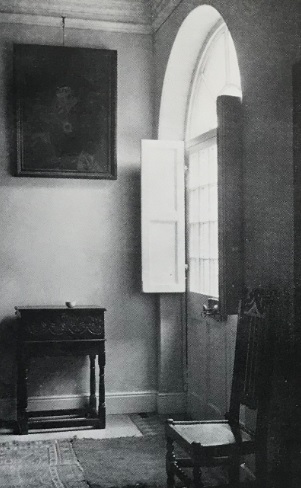
Roger Sacheverell Coke (1912-1972) was raised by his mother Dorothy after his father died in combat early in the First World War. Schooled at Eton, Coke later studied composition with Alan Bush, theory with J Frederick Staton, and piano with Mabel Lander (a pupil of Leschetizky). Following his studies, Coke returned to the ancestral home, Brookhill Hall, where his mother converted the coach house and stable block to serve as his music studio and concert hall. This remained his home and the centre of his musical activities for the rest of his life.The Music Room in the converted stables at Brookhill Hall. It was later converted into a seven-bedroom property. Image: Derbyshire Countryside.The Library, panelled in oak painted white to display the coats of arms of the families allied to the Cokes. Image: Derbyshire Countryside.The Inner Hall. Image: Derbyshire Countryside.A corner of the Entrance Hall showing a seventeenth century oak Bible box and portrait of Frederick the Great. Image: Derbyshire Countryside.Grade II listed Brookhill Hall today. Early 17th century, extended in the early 18th and early 19 centuries, with late 19th century alterations and porch dated 1898. It is built of coursed squared stone, rubble and red brick, with ashlar dressings, and stone slate roof. Image: The Jessop Consultancy.The Coach House, later a Music Room, on the Brookhill Hall estate, once used as a hunting ground by James I and Charles II. It is difficult to believe that the interiors of the seven-bedroom property, on the Derbyshire/Nottinghamshire border, were once where groomsmen tended to horses and carriages would be stored. Image: Daily Mail.Brookhill Hall, Pinxton, Derbyshire. The mansion is at the centre of this satellite photograph. The M1 motorway runs across former parkland. Image: Google Maps.
“Wolterton is classical and austere, standing aloof across a wide park.” Writer Simon Jenkins visited the house in 2003 when it was empty. Its future now looks much brighter with new owners.
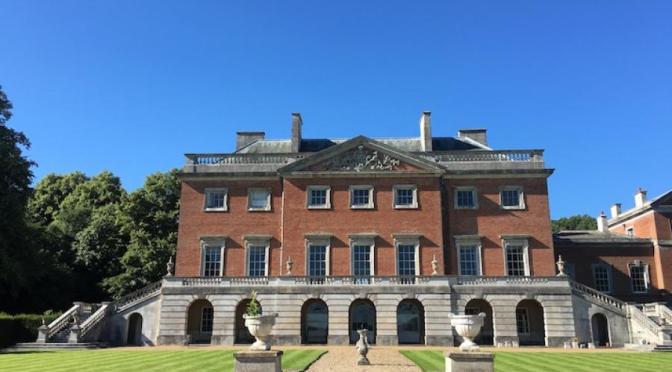
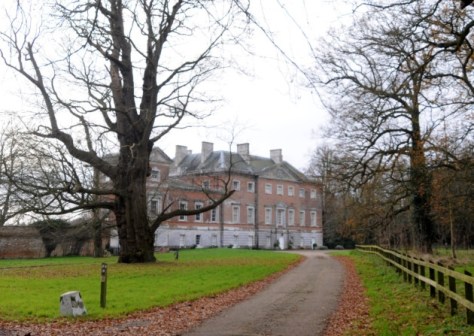
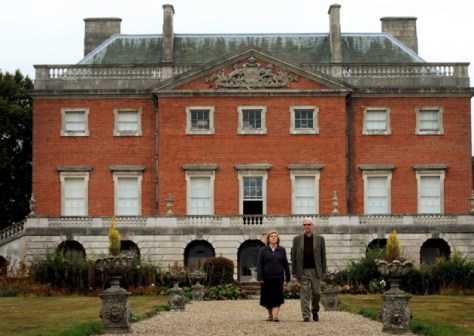
Wolterton Hall is a 150 acre park on a 500 acre private estate in the Bure Valley between Holt and Aylsham, close to the North Norfolk coast. Image: Historic Houses.
It was a significant moment in April 2016, when Peter Sheppard and Keith Day, from London, bought Wolterton Hall at Wickmere in Norfolk. The sale might not have attracted much publicity, but it ended a link with the famous Walpole family going back 295 years.
The Walpoles had abandoned Wolterton, moving to Mannington Hall. No one lived in the mansion, it was closed-up and shuttered. By the turn of this century it was being used as estate offices. “Vacuum cleaners, word processors, fax machines and inevitable modern alarm systems, rather than elegant furnishings of earlier periods, are nonetheless a real continuation of the changing life of this house,” said Lord Walpole at the time.¹
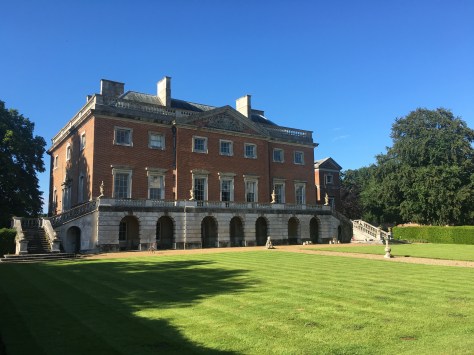
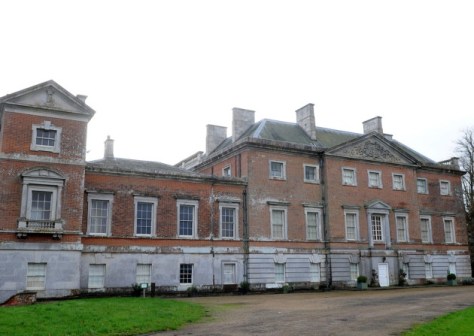
Wolterton Hall in 2014. Image: Antony Kelly.
Its sale probably had something to do with the death of Robert Henry Montgomerie Walpole (born 1913), 9th Baron Walpole of Walpole, 7th Baron Walpole of Wolterton, who died in 1989. Taxes due on his death weren’t settled until 2014, his son, Robert Horatio Walpole, 10th Baron Walpole, choosing to remain at Mannington and putting Wolterton Hall on the market.
Wolterton Hall in 2014. Image: Antony Kelly.
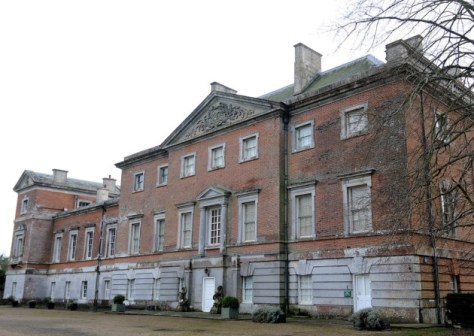
Wolterton Hall was built in 1721 by Horatio Walpole, 1st Baron Walpole, politician, diplomat and younger brother of Sir Robert Walpole, the first Prime Minister. The architect was Thomas Ripley, Superintendent at Robert Walpole’s Houghton Hall, and believed to be his only surviving major work. Its construction wasn’t completed until 1742.
Wolterton Hall in 2014. Image: Antony Kelly.
The house suffered in the nineteenth century when Horatio William Walpole (1813-1894), 4th Earl of Orford moved out, and might well have fallen victim to demolition had it not been for his son, Robert Horace Walpole (1854 – 1931) and his American wife, who returned and restored it in 1905.
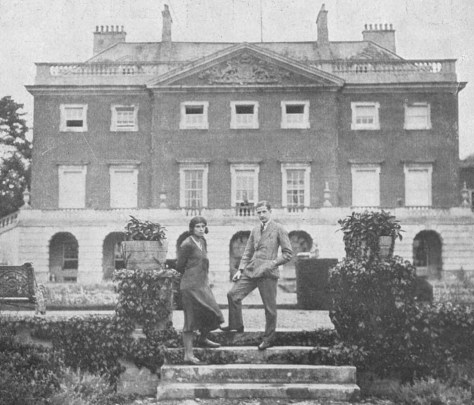
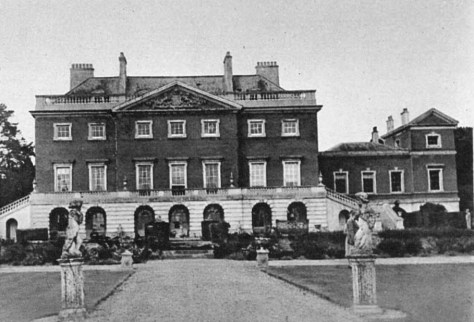
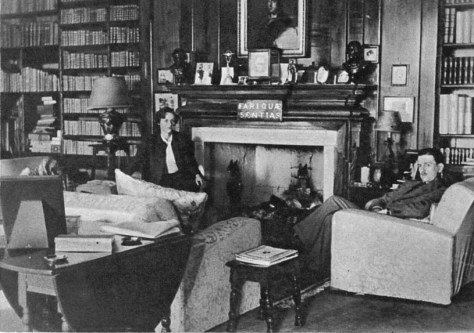
October 1931. Robert Henry Montgomerie Walpole, who had succeeded to the Walpole baronies on the death in New Zealand of his distant cousin, the fifth and last Earl of Orford, was pictured with his only sister, Pamela. Image: The British Newspaper Archive.Wolterton Hall. Pictured in October 1938. Image: The British Newspaper Archive.October 1938. Lord and Lady Walpole in their library at Wolterton Hall. Note the mantelpiece motto. Image: The British Newspaper Archive.
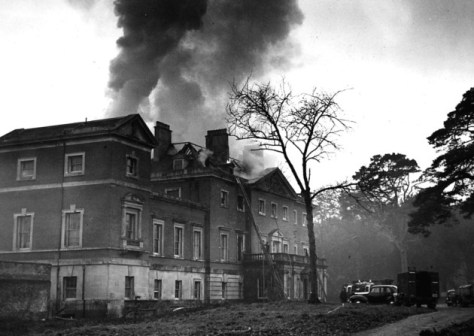
Like many country houses, Wolterton Hall suffered at the hands of the military during World War Two, not helped by a devastating fire in December 1952.
The blaze had broken out on the top floor while Lord and Lady Walpole and small daughter, Phillida, were at lunch. It quickly spread to the roof and was still burning four hours later. “My Butler, Mr Crookshank, found parts of the top floor in flames. I think we have saved all of value, but the hall itself appears to be ruined,” said Lord Walpole, who had succeeded to the title in 1931 .
Wolterton Hall was damaged in a fire in December 1952. Image: EDP Library.
Sixteen appliances from eight fire brigades had fought the blaze which had been confined to the attic and second floor but hadn’t prevented parts of the roof falling in. There was also damage to the State Rooms below caused by water from the firemen’s hoses.²
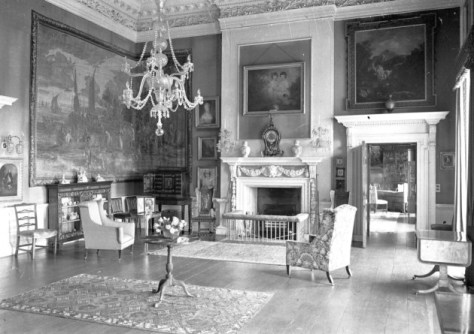
An old black and white photograph of the inside of Wolterton Hall. Image: Archant.
The property was restored, but the Walpoles had long since relocated to Mannington Hall.
Events were held at the hall including concerts, antique and textile fairs, and outdoor events in the park. Wolterton also became a popular wedding venue but attempts to place it in the hands of museums, English Heritage and the National Trust proved unsuccessful.³
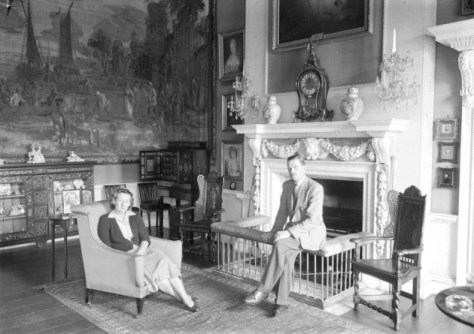
The present Lord Walpole’s father, the late Lord Walpole, who died in 1989, and his wife, Lady Walpole in the saloon. Image: Archant.The present Lord and Lady Walpole at Wolterton in 2009. Image: Archant.
The purchase of Wolterton Hall by Sheppard Day in 2016 (with a speculated cost of £10 million) placed the house under experts with a property pedigree. The duo had previously restored Hales Hall in South Norfolk, as well as the Friary in Westminster and Fitzroy Square. One of their first tasks was to get four holiday lets up and running to help with the daily costs.
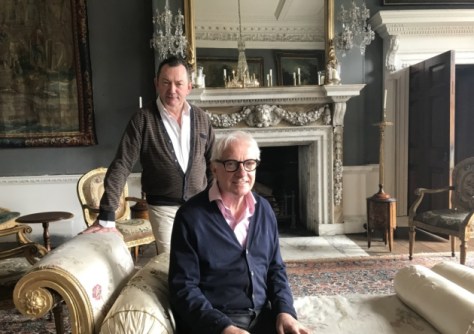
Owners of Wolterton Hall, Keith Day (left) and Peter Sheppard (right), in one of the sitting rooms. Image: Ella Wilkinson – Archant.
“The biggest challenge with refurbishing Wolterton is money, you end up putting a ‘0’ on the end of everything,” said Peter Day in 2019, as refurbishment continues. “The hard thing is trying to generate an income stream; this is necessary in order for buildings like this to survive.”⁴
The pair intend to live at Wolterton Hall themselves, but they have long-term plans to let the house as a whole or for special occasions. The wishes of the 10th Baron Walpole to open the estate to the public might now become a reality.
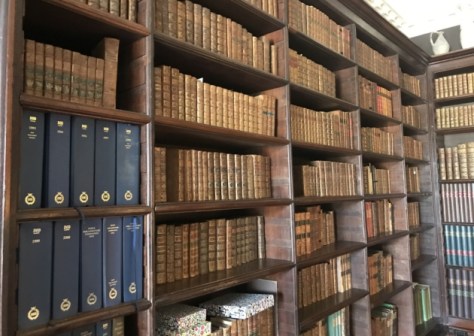
The library at Wolterton Hall. Picture: Ella Wilkinson – Archant.
References: – ¹ Simon Jenkins ‘England’s Thousand Best Houses’ (2003). ² Yorkshire Post and Leeds Intelligencer (6 Dec 1952), Birmingham Daily Gazette (6 Dec 1952). ³ Eastern Daily Press (19 Apr 2016) ⁴ Eastern Daily Press (2 May 2019).

 HOUSE AND HERITAGE